


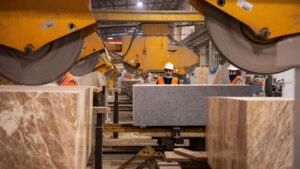

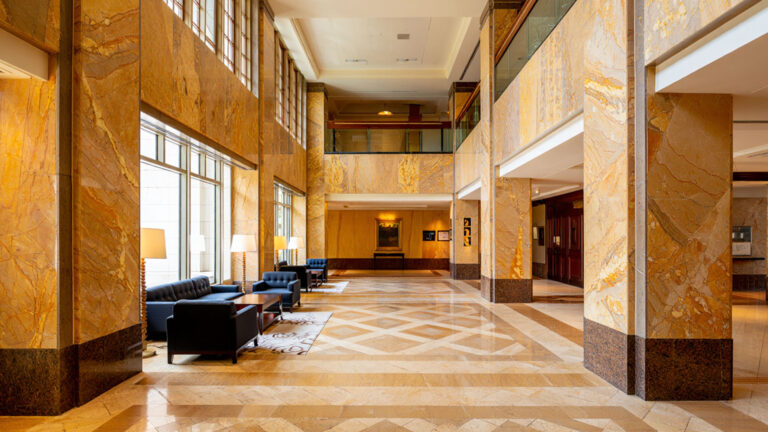
In recent years, the global demand for natural stone — including marble, travertine, granite, and decorative slabs — has grown steadily. This growth is fueled by booming construction projects, luxury real estate developments, hospitality ventures, and an increasing preference for natural materials. Architects, interior designers, and builders worldwide are rediscovering the timeless appeal of natural stone, not just for its aesthetic qualities, but also for its durability and the premium feel it brings to spaces.
For Iran, this global trend represents a significant opportunity. Projects in the Middle East, Europe, and Asia increasingly favor natural stone, and Iranian stone, known for its unique colors and textures, could capture a substantial share of this expanding market. Natural stone offers an advantage that few building materials can match: every slab has its own distinct veining and pattern, which appeals to designers seeking one-of-a-kind interiors and exteriors.
Iran’s Competitive Advantages in Stone Production
Iran is blessed with a diverse geological landscape. Provinces across the country, from the central plateau to the Zagros Mountains, host vast reserves of marble, travertine, limestone, and granite. This diversity provides an extensive palette of colors and patterns, ranging from classic whites and creams to striking reds, blacks, and greens. Such variety is a major selling point for international buyers looking for distinct materials that cannot be easily replicated.
Cost competitiveness is another advantage. The production and preparation costs of stone in Iran are often lower than in Europe or North America. With efficient supply chain management, Iranian stone can reach foreign buyers at competitive prices without compromising quality.
Geographical proximity to key markets is also significant. Neighboring countries in the Middle East, Central Asia, and South Asia offer steady demand for natural stone. Iran’s position allows for faster and more cost-effective shipping, making it an appealing supplier. If Iran can maintain high standards of quality, packaging, and timely delivery, it has the potential to become a trusted global supplier of natural stone.
Emerging Opportunities: High-Potential Markets
Middle East and Gulf Countries
The Gulf Cooperation Council (GCC) countries, including the UAE, Saudi Arabia, Qatar, and Kuwait, are among the most active markets for Iranian stone. Large-scale construction projects, luxury hotels, shopping centers, and high-end residential developments drive a consistent demand for decorative and architectural stone.
Developers in the UAE, for example, seek high-quality materials that convey luxury and exclusivity. Iranian marble and travertine, with its unique colors and veining, can compete with Italian or Turkish imports if offered at competitive pricing. Shorter transportation distances and lower logistics costs further enhance the attractiveness of Iranian stone for these markets.
Asia-Pacific Region
The booming construction sectors in China, India, Bangladesh, and Southeast Asia also present significant opportunities. The sheer scale of infrastructure and residential projects in these regions drives consistent demand for natural stone. By offering standardized slabs, custom-sized cuts, and reliable shipping, Iranian exporters can capture a meaningful portion of these markets.
Iranian stone stands out because of its distinct aesthetics and consistent quality. Compared with some competitors in Asia, which may face variability in color or texture, Iranian stone offers a unique combination of affordability and premium appeal, attracting buyers seeking both quality and uniqueness.
Europe and Niche Luxury Markets
While shipping costs to Europe are higher, niche markets for high-end construction and renovation projects remain viable. Luxury villas, boutique hotels, and custom-designed offices often require stones that are rare or visually distinctive. Iranian travertine with golden veining, or rare marbles with unique colors, can find a place in these premium projects.
Challenges Facing Iran’s Stone Export Industry
Logistics and Transportation
Transporting natural stone, whether raw blocks, slabs, or finished products, requires careful handling, proper packaging, and secure shipping. For distant markets, risks include breakage, customs delays, and insurance challenges.
Infrastructure limitations, such as port capacity, road conditions, and rail connectivity, can further complicate exports. To increase global competitiveness, Iran must enhance its supply chain efficiency, including standardized packaging, safe loading and unloading procedures, warehousing, and reliable insurance options.
Quality Control and Standardization
International buyers expect consistency. Variations in color, thickness, or finish from one shipment to another can erode trust. Iranian producers must implement strict quality standards covering slab thickness, surface finish, veining consistency, and packaging. Without these measures, even competitive pricing may not secure repeat business.
Strong Global Competition
Turkey, Spain, India, China, and other stone-producing countries are well-established exporters with advanced machinery, recognized brands, and organized export networks. Iran must leverage its unique geological diversity, quality, and cost advantage to differentiate itself in this competitive landscape.
Regulatory and Financial Hurdles
Economic sanctions, restrictions on international banking, and challenges in obtaining insurance or financing can hinder exports. Exporters may face difficulties receiving payments or transferring funds. Clear government policies, support for foreign transactions, and streamlined export procedures are essential for growth.
Limited International Branding
Many Iranian stone producers still lack effective international marketing strategies. Simply exporting raw blocks without branding or promotion leaves significant market potential untapped. High-quality photos, sample shipments, digital marketing campaigns, and consistent presence at international trade fairs are critical to gaining recognition abroad.
Strategies for Growth in Stone Exports
Invest in Value-Added Processing
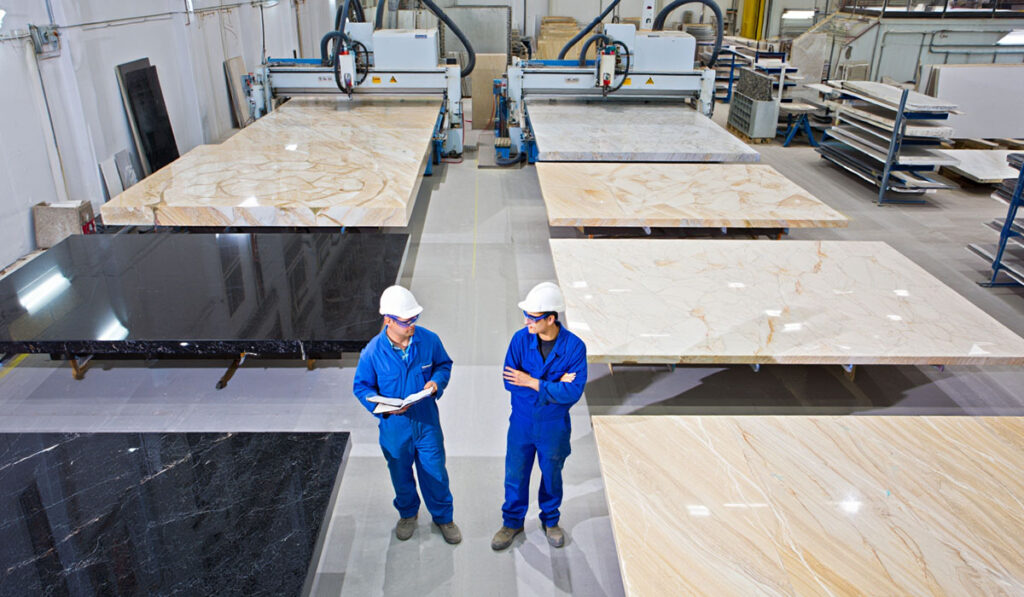
Relying on raw stone sales limits profitability. Exporters who process stone into slabs, polished tiles, or custom-cut panels add value and increase revenue. Advanced finishes, CNC carving, or edge profiling can elevate the perception of Iranian stone as a premium product, opening doors to high-end projects.
Implement Quality Standards and Professional Packaging
Strict quality control and adherence to international standards are essential. Packaging that prevents breakage, clear labeling, verified quality certificates, and insurance coverage build buyer confidence and encourage long-term partnerships.
Develop International Branding and Marketing
Creating distinct brands for specific stone types can enhance visibility. For example, marketing “Abbas Abad Travertine Classic” or “Natan Black Granite” emphasizes quality, origin, and uniqueness. Attending global trade fairs, establishing a multilingual website, and producing high-resolution images and videos strengthen Iran’s presence in the international market.
Digital marketing is equally crucial. SEO-focused content using keywords such as “Iran stone exports,” “natural stone blocks Iran,” or “Iranian travertine slabs” can help exporters reach architects, designers, and construction companies worldwide.
Focus on Nearby and Emerging Markets
Instead of competing head-on with European producers for luxury markets, Iran can prioritize nearby regions: the Middle East, Central Asia, South Asia, and Africa. These markets have strong demand, price sensitivity, and logistical feasibility, offering quicker wins for exporters.
Collaboration Between Government and Private Sector
Government support can accelerate growth through tax incentives, export facilitation, banking solutions, infrastructure investment, and national quality standards. Industry associations can standardize practices, organize export initiatives, and connect Iranian suppliers with international buyers.
Embracing Sustainability and Responsible Mining
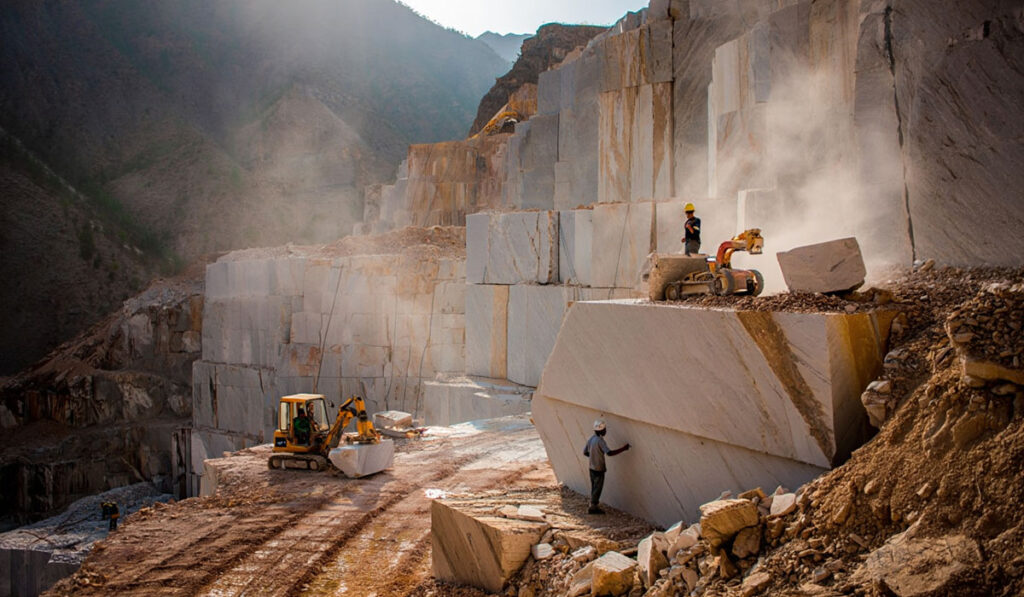
Modern buyers prioritize not only quality and aesthetics but also sustainability. Stone extraction methods that minimize environmental impact, manage waste responsibly, and support local communities are increasingly valued.
Certification of sustainable practices and transparent reporting enhances market appeal. Buyers adhering to ESG (Environmental, Social, and Governance) standards are more likely to choose suppliers who demonstrate responsible operations. Iran has the potential to become a leader in sustainable stone production in the region.
Managing Market Volatility
Fluctuations in global prices, fuel costs, and shipping logistics can impact the total cost of stone. Exporters should diversify markets, offer different product formats, and maintain flexible production schedules. Maintaining inventory, establishing long-term contracts, and providing quality guarantees can help withstand market uncertainties.
Examples of Iran’s Unique Stone Varieties
Abbas Abad Travertine, with its cream-to-beige tones and natural veining, is ideal for luxury interiors, hotels, and villas. Natan Black Granite, with a dark base and subtle white veining, suits modern, minimalist, or industrial designs. These stones, when processed and polished correctly, can position Iran as a provider of premium, designer-grade materials.
Meeting the Demand for Customization
Architects and designers increasingly demand customized stone solutions. Tailored slabs, unique edge treatments, composite panels, and CNC-carved designs are all part of the modern market expectation. Iranian exporters who offer bespoke services will capture niche, high-value projects.
Likely Scenario for the Near Future
If Iran invests strategically in processing, quality control, logistics, marketing, and branding, the country’s share of regional stone exports could rise from around 2% to 5–7% over the next 5–10 years. Not only raw blocks but also polished slabs, custom cuts, and value-added products will define this growth.
The Middle East, Central Asia, South Asia, and parts of Africa will remain primary destinations, with selective access to Europe for unique, high-end stones. Establishing strong branding and emphasizing quality and sustainability will further cement Iran’s position in global markets.
Conclusion: A Promising Future for Iran’s Stone Exports
Iran has immense potential to expand its stone exports. Rich geological resources, diverse stone types, relatively low production costs, and proximity to growing markets create a favorable foundation. Success requires moving beyond raw stone sales toward value-added processing, strict quality control, professional packaging, international branding, and strategic marketing.
If exporters and policymakers collaborate effectively, Iran can become a major player in the global natural stone industry over the next decade. The country’s unique stones, combined with professional handling and branding, offer an opportunity not only to compete but to lead in select international markets.
FAQ
What makes Iranian natural stone competitive in the global market?
Iranian stone is highly competitive due to its diverse colors and patterns, high quality, and lower production costs compared to many other countries. Its proximity to Middle Eastern and Asian markets also reduces shipping costs, making it attractive for international buyers.
Which countries are the main export destinations for Iran’s stone?
Key markets include Gulf countries like the UAE, Saudi Arabia, Qatar, and Kuwait, as well as South and Central Asian countries such as India, Pakistan, and China. Niche European markets are also interested in unique, high-end Iranian stones.
What challenges does Iran face in expanding its stone exports?
Major challenges include logistics and transportation risks, inconsistent quality control, competition from established producers like Turkey and Spain, financial and regulatory hurdles, and limited international branding.
How can Iranian stone exporters grow their international presence?
Exporters can grow by investing in value-added processing, implementing strict quality standards, using professional packaging, engaging in international branding and marketing, offering customized solutions, and collaborating with the government and industry associations to facilitate exports.